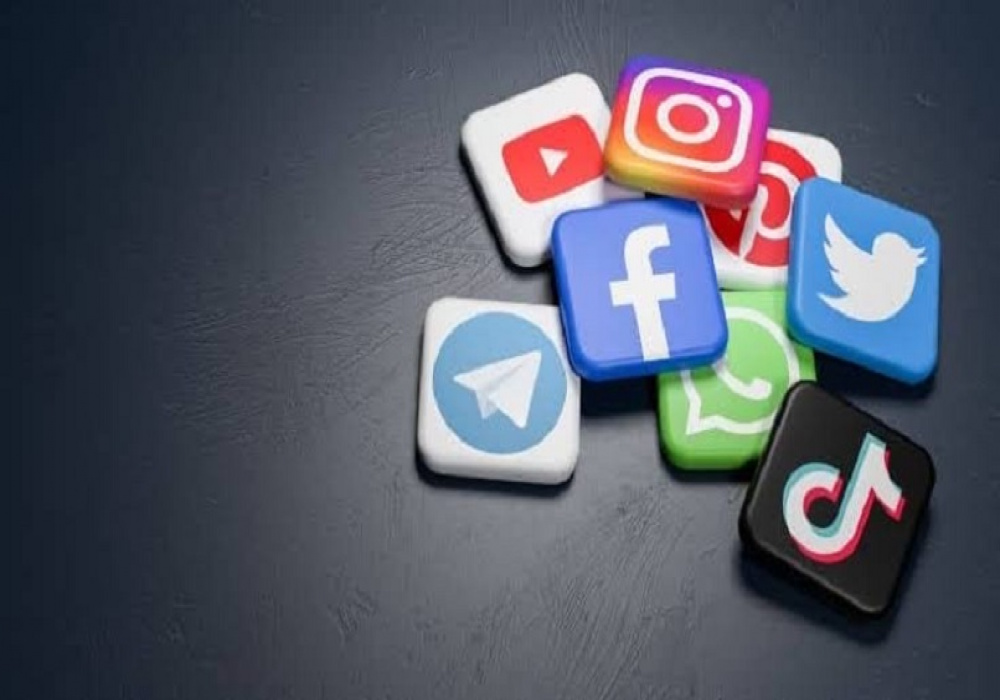
In today’s fast-moving digital age, social media is no longer just a tool for communication — it’s a cultural force, a business driver, and a source of both opportunity and controversy. As platforms like TikTok, Instagram, Snapchat, X (formerly Twitter), Facebook, YouTube, and Threads continue to evolve, so too does their influence over politics, mental health, business, and society at large.
With over 5.2 billion users worldwide, social media connects people across continents, cultures, and communities. In Bangladesh alone, there are more than 65 million active social media users, making platforms like Facebook and TikTok central to both entertainment and daily communication.
“Social media has become part of our identity,” says Nusrat Jahan, a digital marketing expert based in Dhaka. “Whether it's running a business, promoting art, or sharing personal moments, it’s the main stage now.”
But with this growth has come increasing scrutiny over data privacy, misinformation, mental health concerns, and platform addiction.
The popularity of short-form video content — pioneered by TikTok and now adopted across platforms — remains unmatched. TikTok’s “For You” feed continues to influence global music charts, fashion trends, and even political opinions.
Snapchat Spotlight and YouTube Shorts are competing closely, offering content creators better monetization options and discovery tools. Meta's Reels across Facebook and Instagram is now integrated with shopping features, blending entertainment with commerce.
“People want quick, engaging content. If it’s not fun or emotional within the first three seconds, they scroll past,” says YouTube creator and lifestyle vlogger Mahir Hossain, who has over 1.2 million followers across platforms.
Despite its many advantages, social media’s darker side continues to raise alarms.
The World Health Organization (WHO) reported a 17% increase in cases of anxiety and depression among youth globally, with excessive social media use cited as a major contributing factor. Critics argue that platform algorithms — designed to keep users engaged — often promote addictive behavior, body image issues, and exposure to toxic content.
A recent study by Stanford University found that scrolling for over 2.5 hours per day was linked to decreased attention spans and sleep disruption.
Many platforms are now rolling out “digital well-being” tools, including usage time alerts, AI-curated positive content, and mental health check-ins, but experts warn that these measures are not enough.
Concerns about data privacy and misinformation remain significant.
In early 2025, X (formerly Twitter) faced backlash over lax policies regarding deepfakes and political disinformation during election periods in multiple countries. AI-generated photos and videos, known as synthetic media, are increasingly being used to manipulate public opinion.
Facebook and Instagram’s parent company, Meta, announced new watermarking systems to flag AI-generated content, but detection remains imperfect.
“The battle now is not just about content moderation — it’s about distinguishing truth from fiction in real-time,” says cybersecurity analyst Farid Ahmed.
On the bright side, social media continues to be a powerful tool for small businesses, freelancers, and content creators. In Bangladesh, the rise of “Facebook-based businesses” has enabled thousands to build careers without needing traditional office space.
Platforms like LinkedIn have evolved to include video content, influencer partnerships, and business community building. Meanwhile, TikTok Shop and Instagram Marketplace are reshaping e-commerce globally.
As platforms grow, so does government involvement. Countries like India, the U.S., and the European Union are introducing stricter laws to regulate content, enforce data privacy, and tax social media revenues.
In Bangladesh, the Digital Security Act remains controversial, with human rights groups warning of censorship and misuse against journalists and activists.
“Balancing free speech with public safety is one of the biggest challenges of our time,” said a spokesperson from Access Now, a global digital rights group.
Looking ahead, social media is expected to move into augmented reality (AR), virtual reality (VR), and AI-integrated experiences. Platforms are experimenting with holographic content, immersive virtual events, and real-time translation for global interactions.
Startups are even building decentralized social networks — platforms not controlled by a single company — to give users more control over their data and content.
As the landscape changes, one thing is clear: social media is not going away — it’s evolving. And how we adapt to its impact, for better or worse, will define the digital society of tomorrow.
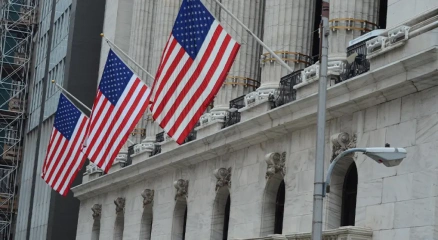
Global stock markets remained mixed today as investors weighed fresh U.S. inflation data, corporate earnings reports, and the ongoing economic uncertainty in China and Europe. The U.S. stock market opened slightly higher on Monday morning, with the Dow Jones Industrial Average rising 0.4%, the S&P 500 climbing 0.3%, and the Nasdaq Composite gaining 0.5% in early trading. Investors responded positively to June's U.S. Consumer Price Index (CPI) report, which showed inflation cooling slightly to an annual rate of 3.0%, down from 3.3% in May."Markets are optimistic that the Federal Reserve may pause or even cut interest rates by the fall," said Lisa Raymond, chief analyst at Morgan & Co. "But it's still a wait-and-see situation, especially with more earnings coming this week." Wall Street Opens Higher Dow +0.4%, S&P 500 +0.3%, Nasdaq +0.5% on Monday morning. Boosted by June CPI showing inflation cooled to 3.0% (down from 3.3%). Hopes rise for potential Fed rate cut or pause by fall. The U.S. stock market opened slightly higher on Monday morning, with the Dow Jones Industrial Average rising 0.4%, the S&P 500 climbing 0.3%, and the Nasdaq Composite gaining 0.5% in early trading. Investors responded positively to June's U.S. Consumer Price Index (CPI) report, which showed inflation cooling slightly to an annual rate of 3.0%, down from 3.3% in May. "Markets are optimistic that the Federal Reserve may pause or even cut interest rates by the fall," said Lisa Raymond, chief analyst at Morgan & Co. "But it's still a wait-and-see situation, especially with more earnings coming this week." Tech Leads the Way Technology stocks led the gains in the U.S., with Apple (AAPL) up 1.8% and Nvidia (NVDA) jumping 2.4%, as demand for AI and semiconductors remains strong. Tesla (TSLA) also rebounded, rising 3.1% after announcing better-than-expected Q2 vehicle deliveries. Global stock markets showed a mixed performance as investors weighed persistent inflation concerns against a wave of corporate earnings reports. While strong results from major tech companies helped lift some indexes, uncertainty surrounding central bank policies and the future path of interest rates kept others in check. In the U.S., Europe Struggles on Growth Concerns Meanwhile, European markets showed little movement, with the FTSE 100 in London flat and Germany’s DAX down 0.2%. Investors remain concerned about weak industrial output and rising energy costs across the Eurozone.“The European economy is showing signs of fatigue,” said Carla Dupont, economist at BNP Paribas. “High borrowing costs and geopolitical tensions are dragging down business activity.”Global stock markets showed a mixed performance as investors weighed persistent inflation concerns against a wave of corporate earnings reports. While strong results from major tech companies helped lift some indexes, uncertainty surrounding central bank policies and the future path of interest rates kept others in check. In the U.S., Market Performance Summary Table Region Index/Company Movement (%) Key Driver USA Dow Jones +0.4% Positive CPI report (3.0% inflation) S&P 500 +0.3% Rate cut optimism Nasdaq +0.5% Tech stock gains Apple (AAPL) +1.8% Strong AI demand Nvidia (NVDA) +2.4% Semiconductor growth Tesla (TSLA) +3.1% Strong Q2 deliveries Europe FTSE 100 (UK) 0.0% Flat due to economic uncertainty DAX (Germany) -0.2% Weak industrial output, high energy costs Asia Nikkei 225 (Japan) +0.6% Strong export performance Shanghai Composite -1.2% Property sector risks, low consumer spending Asia Mixed as Chinese Markets Slump In Asia, markets showed mixed results. Japan’s Nikkei 225 gained 0.6%, supported by strong export data. However, Chinese markets fell sharply, with the Shanghai Composite down 1.2%, as fears about the country’s property sector and sluggish consumer spending persisted. Gains in consumer and tech sectors pushed markets higher, but weaker-than-expected bank earnings and inflation-related jitters limited broader momentum. European markets edged lower as traders grew cautious about global trade tensions and slowing growth indicators, while Asian markets saw mixed results, with Hong Kong posting modest gains and Tokyo slipping slightly. Overall, market sentiment remains cautious as investors await further economic data and guidance from central banks. Looking Ahead Investors are now turning their focus to key corporate earnings this week from major banks like JPMorgan Chase, Goldman Sachs, and Citigroup, as well as tech giants like Netflix and Microsoft. The results are expected to provide a clearer picture of business resilience amid high interest rates and uncertain global demand. Overall, market sentiment remains cautious as investors await further economic data and guidance from central banks.
The U.S. Supreme Court issued a landmark ruling on Monday, declaring that former presidents are entitled to partial immunity from criminal prosecution for actions taken while in office. The 6-3 decision, split along ideological lines, has triggered intense political and legal debate across the country.The ruling stems from charges brought against former President Donald Trump, who has faced multiple indictments related to alleged interference in the 2020 presidential election and events surrounding the January 6 Capitol riot. The Court’s decision now makes it more difficult for prosecutors to pursue charges for actions deemed as part of a president's official duties. Divided Reactions President Joe Biden responded to the ruling by calling it a “dangerous precedent” that could place future presidents above the law. “No one in America should be beyond accountability,” he said during a press conference.Republican leaders, however, welcomed the decision. House Speaker Steve Scalise stated, “This ruling upholds the constitutional separation of powers and protects the office of the presidency from political attacks.”The recent Supreme Court ruling on presidential immunity has ignited intense debate across the United States, with sharp divisions emerging among legal experts, lawmakers, and the public. The decision, which sets new boundaries on the legal protections afforded to sitting presidents, has far-reaching implications for the balance of power and accountability in government. Supporters argue that the ruling upholds the integrity of the executive office by protecting it from politically motivated prosecutions, while critics warn that it could open the door to unchecked presidential authority. What the Ruling Means The Court ruled that while presidents do not have absolute immunity, they are shielded from criminal prosecution for actions that are “within the outer perimeter of official presidential responsibilities.” However, personal or unofficial actions remain subject to prosecution.Legal experts say the ruling could delay several of Trump’s ongoing legal cases, potentially impacting the 2024 election season, where Trump remains the leading Republican contender. As protests, press conferences, and panel discussions erupt nationwide, the ruling is expected to influence upcoming elections and reshape the legal landscape surrounding executive power for years to come. Public Response The recent Supreme Court ruling on presidential immunity has ignited intense debate across the United States, with sharp divisions emerging among legal experts, lawmakers, and the public. The decision, which sets new boundaries on the legal protections afforded to sitting presidents, has far-reaching implications for the balance of power and accountability in government. Supporters argue that the ruling upholds the integrity of the executive office by protecting it from politically motivated prosecutions, while critics warn that it could open the door to unchecked presidential authority. As protests, press conferences, and panel discussions erupt nationwide, the ruling is expected to influence upcoming elections and reshape the legal landscape surrounding executive power for years to come.
The United States has long been known as a nation of immigrants and diversity. Over the last century, significant demographic changes have occurred due to immigration patterns, birth rates, cultural shifts, and changing social values. This report outlines how the racial, regional, religious, and national origin composition of the U.S. population has evolved — and where it’s heading. Table 1: U.S. Population by Race/Ethnicity (1960–2024) Year White (Non-Hispanic) Black Hispanic/Latino Asian Native American Multiracial Other 1960 85% 10.5% 3.5% 0.5% 0.3% — 0.2% 1980 80% 11.5% 6.4% 1.5% 0.6% — 0.3% 2000 69% 12.3% 12.5% 3.6% 0.9% 2.4% 0.3% 2020 59.3% 13.4% 18.5% 5.9% 1.3% 2.8% 0.1% 2024* 57.1% 13.2% 19.1% 6.5% 1.4% 3.1% 0.2% Over the last six decades, the regional distribution of the U.S. population has undergone a substantial transformation. Economic shifts, climate preferences, and immigration patterns have contributed to the steady rise of the South and West as the primary hubs of growth, while the Northeast and Midwest have seen their shares of the national population gradually decline. The United States Census Bureau divides the country into four main regions: Northeast, Midwest, South, and West. Over the past several decades, regional population distribution has shifted significantly due to migration trends, job availability, climate preferences, and immigration. Table 2: Regional Population Distribution (by U.S. Census Regions) Region 1960 1980 2000 2020 2024 (Est.) Northeast 25% 22% 19% 17% 16.5% Midwest 29% 27% 23% 20% 19.7% South 31% 34% 36% 38% 39.2% West 15% 17% 22% 25% 24.6% Key Takeaway: The South and West have seen consistent growth due to warmer climates, job markets, and immigration hubs (e.g., Texas, Florida, California). The religious landscape of the United States has undergone a dramatic transformation over the past 70 years. While the country once identified overwhelmingly as Christian — particularly Protestant — more Americans today are choosing no religious affiliation, a trend that reflects shifting cultural norms, generational change, and growing diversity. Demography by religion Religion 1950 1980 2000 2020 2024 (Est.) Protestant 69% 56% 51% 40% 39% Catholic 25% 27% 24% 21% 20% Jewish 3% 2.5% 2% 1.8% 1.8% Muslim <0.1% 0.5% 1% 1.3% 1.5% Hindu/Buddhist <0.1% 0.5% 1.5% 2% 2.2% Unaffiliated 2% 7% 15% 27% 29% Key Shift: The rise of the “nones” (religiously unaffiliated) is among the most dramatic religious shifts in recent history. Immigration has always been a cornerstone of the American story. But over the past 60 years, the origins of the U.S. foreign-born population have changed dramatically — shifting from a Europe-dominated pattern to one led by Latin America, Asia, and more recently, Africa. These demographic transformations reflect both global trends and U.S. immigration policy reforms. Summary Insights Racial Diversity Growing Rapidly: Non-Hispanic Whites are no longer a supermajority. By 2045, the U.S. is projected to be “minority-majority.” Regional Power Shift: The South and West are economic and population growth engines. Religious Landscape is Secularizing: Protestants and Catholics are declining; the religiously unaffiliated are growing fastest. Immigration Patterns Have Shifted: From European-dominated to Latin American and Asian-majority since 1965’s Immigration and Nationality Act.
Iran and Israel traded further air attacks on Thursday as President Donald Trump kept the world guessing about whether the United States would join Israel's bombardment of Iranian nuclear facilities. Google News LinkFor all latest news, follow The Daily Star's Google News channel. A week of Israeli air and missile strikes against its major rival has wiped out the top echelon of Iran's military command, damaged its nuclear capabilities and killed hundreds of people, while Iranian retaliatory strikes have killed two dozen civilians in Israel. Iran and Israel traded further air attacks on Thursday as President Donald Trump kept the world guessing about whether the United States would join Israel's bombardment of Iranian nuclear facilities. Guardian council warns US of 'harsh response A key Iranian body warned the United States on Thursday that any intervention in support of its ally Israel would be met with a "harsh response". "The criminal American government and its stupid president must know for sure that if they make a mistake and take action against Islamic Iran, they will face a harsh response from the Islamic Republic of Iran," the Guardian Council said in a statement carried by state television. Google News LinkFor all latest news, follow The Daily Star's Google News channel. A week of Israeli air and missile strikes against its major rival has wiped out the top echelon of Iran's military command, damaged its nuclear capabilities and killed hundreds of people, while Iranian retaliatory strikes have killed two dozen civilians in Israel. Guardian council warns US of 'harsh response' if it intervenes. A key Iranian body warned the United States on Thursday that any intervention in support of its ally Israel would be met with a "harsh response". "The criminal American government and its stupid president must know for sure that if they make a mistake and take action against Islamic Iran, they will face a harsh response from the Islamic Republic of Iran," the Guardian Council said in a statement carried by state television.
In an increasingly visual world, photography has evolved far beyond a hobby—it has become a powerful tool of connection, identity, and even resistance. From the alleyways of Marrakech to the streets of Tokyo, people around the globe are using photography to capture their realities, share their truths, and reimagine how we see the world. In 2025, the art of photography is no longer limited to professionals or those with expensive equipment. With powerful cameras embedded in nearly every smartphone and editing apps accessible to all, the global population has become a generation of storytellers. A New Language of Expression Photography has become the most universal visual language—transcending borders, politics, and even spoken words. A single image can spark movements, ignite conversations, and bring attention to marginalised voices. From the war-torn zones of Gaza and Ukraine to peaceful protests in Europe and climate marches in South America, everyday citizens are documenting history in real time. These raw, unfiltered images often make their way to global audiences faster than traditional news media. "The smartphone is the new pen," says French photojournalist Camille Laurent. "People don’t just take photos—they share their worldviews." The Rise of Visual Identity In cities like New York, Seoul, and Berlin, photography has become deeply intertwined with personal branding. On platforms like Instagram and Threads, visuals are the currency of influence. Whether it’s fashion, travel, activism, or mental health, photography is the lens through which individuals craft and project their identity. This has also sparked a global aesthetic—where minimalist cafes in Istanbul resemble those in Paris, and sunlit "golden hour" selfies are universal. Yet within this visual sameness, cultural uniqueness is also being celebrated. Photographers are reclaiming their heritage—using traditional attire, rural landscapes, and local rituals to tell stories that challenge stereotypes and global homogenisation. AI, Ethics & The Future As artificial intelligence blends with photography, questions of ethics and authenticity are surfacing. AI-generated portraits and edited realities raise concerns about truth, body image, and media manipulation. Yet, at the same time, AI tools are empowering more people to create stunning visuals without formal training—democratising creativity in ways never imagined. "We're entering an era where the line between photography and digital art is blurring," notes Japanese visual artist Rei Nakamura. "But the emotion behind the image still matters most." A Global Bond In refugee camps in Jordan, schoolchildren are given disposable cameras to capture their lives. In Scandinavian forests, nature photographers use drones to document wildlife. On African coastlines, photographers are preserving indigenous stories that were never written down. Despite the diversity of context, one thing is clear: photography connects humanity. It offers empathy. It builds bridges. In the words of American photographer Dorothea Lange, "Photography takes an instant out of time, altering life by holding it still." And today, more than ever, the world is watching—frame by frame.



Today, search engines use more than 200+ diverse aspects to generate search results on SERP, which means a lot of different features impact your location in search results. There are 3 primary factor where search engine works in Digital Marketing are as below: Crawl: The crawling process initiated with a list of web addresses from earlier crawls and sitemap provided by the website holder. Index: Indexer store and arrange the content found in the crawling process. Once a page is indexed, its in the running to be shown as a result of relevant queries on SERP. Ranking Algorithm: Google ranking algorithms are designed to categories through billions of web addresses in our Search index to find the most relevant, useful results to users who enter the keyword in search engines. If you want more organic traffic on your website, then it is necessary for you to understand how Google algorithm works. For example: If you hunger more video views, then then you need to understand YouTube algorithm. Meanwhile each search engine has a different ranking algorithm, it is impossible to cover all in this guide.Let us see types of seo details we used to generate organic traffic:


Dhaka – The Bangladesh government is ramping up efforts to combat fake news and harmful content on social media, following a wave of misinformation surrounding recent political events and public health issues. The Ministry of Information and Broadcasting, in coordination with the BTRC, is drafting new regulations that would require global platforms like Facebook, YouTube, and X to open local offices, respond to content removal requests within 24 hours, and increase transparency in algorithmic content distribution. “Misinformation spreads faster than ever, especially during crises,” said ICT Division spokesperson Rashedul Karim. “These rules will protect citizens and national stability.” Experts welcome the move but warn against overreach. “Content moderation must not infringe on freedom of speech,” noted digital rights advocate Shireen Afroz. Social media companies say they are enhancing AI-based moderation tools and improving user reporting systems. However, critics argue current efforts are inadequate, as false claims often go viral before action is taken. Meanwhile, digital literacy campaigns are being launched to help users verify information and avoid manipulation. As Bangladesh continues to embrace the digital world, balancing security and free expression remains a growing challenge.



Dhaka – Social media platforms have reached a new milestone in 2025, with global usage crossing 5.2 billion active users, according to a recent report by DataReportal. Bangladesh is no exception to this trend, as more than 60% of the population now actively uses platforms like Facebook, TikTok, YouTube, and Instagram for news, entertainment, shopping, and communication. The explosive growth is being driven by faster internet access, cheaper smartphones, and the increasing popularity of short-form video content. TikTok remains the fastest-growing platform, while Facebook still holds the largest user base in the country. “I use Facebook and WhatsApp daily to stay connected with my family and friends,” said Nahid Hossain, a university student in Dhaka. “But lately, I’ve been spending more time on TikTok because the videos are fun and short.” However, the rise in screen time has raised serious concerns among health experts and educators. Studies show that excessive social media use is linked to anxiety, depression, and poor sleep, especially among teenagers and young adults. “We are noticing a disturbing trend among adolescents,” said Dr. Farzana Rahman, a clinical psychologist. “Their attention spans are shrinking, and many of them feel pressured to present a perfect image online. It’s creating a mental health crisis.” Misinformation and fake news continue to be major challenges. Despite increased efforts by tech companies to detect and remove false content, platforms are still flooded with misleading videos, conspiracy theories, and deepfakes. The Bangladesh Telecommunication Regulatory Commission (BTRC) has warned against the spread of harmful content and urged platforms to take stronger actions. In a statement last month, the BTRC emphasized the need for “content moderation, transparency, and the protection of users’ digital rights.” Social media is also reshaping politics and public discourse. Politicians and public figures are using these platforms to communicate directly with followers, bypassing traditional media channels. While this offers more engagement, critics argue it also increases the risk of unchecked propaganda. Despite the downsides, businesses are embracing the digital shift. Thousands of small brands and entrepreneurs are now using Facebook and Instagram Shops, influencer marketing, and video ads to reach new audiences. “Social media changed everything for our online store,” said Nusrat Jahan, a clothing brand owner. “We don’t even need a physical shop anymore.” As social media becomes further embedded in daily life, experts call for digital literacy programs in schools, stronger regulations on platforms, and more awareness among users. The challenge remains: how to enjoy the benefits of digital connection without falling into the traps of misinformation, addiction, and mental fatigue.